

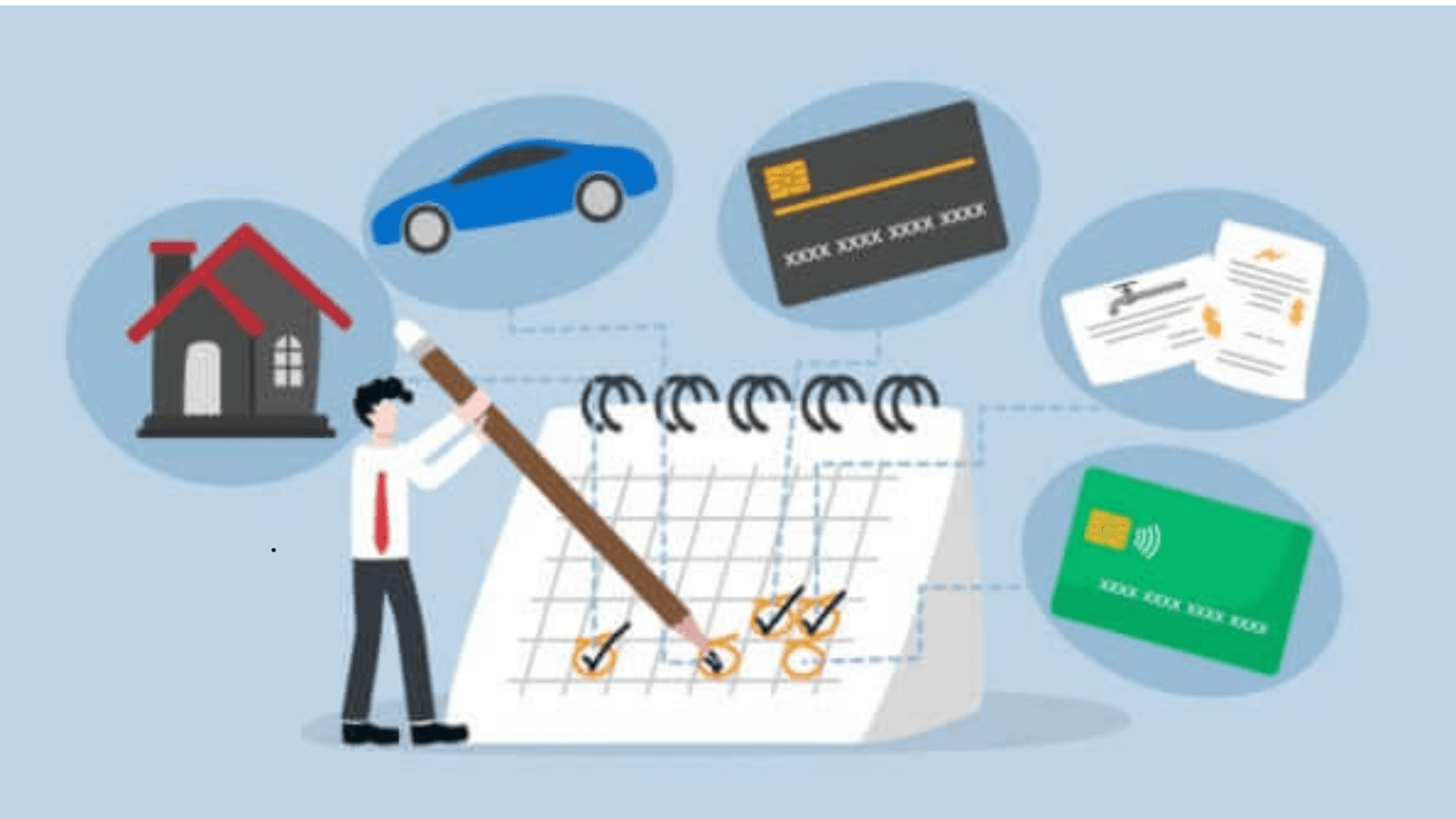
✅ Step 1: Know Your Net Monthly Income
Start with how much you actually take home after tax and deductions.
| Sources to Include: |
|---|
| Salary or Freelance Income |
| Rental Income |
| Dividends/Investments |
| Side Hustles |
If your income varies, take a 3–6 month average.
👉 Use this income tracking tool:
https://www.moneylover.me
✅ Step 2: Categorize Your Expenses
Divide your monthly spending into:
-
Fixed Expenses
-
Rent or home loan EMI
-
Utilities (electricity, internet)
-
Insurance premiums
-
-
Variable Expenses
-
Food, groceries
-
Fuel or transport
-
Subscriptions & entertainment
-
-
Financial Goals
-
SIPs or mutual funds
-
Emergency fund
-
Loan repayments
-
👉 Smart expense tracking apps:
https://www.goodbudget.com
https://www.cred.club
✅ Step 3: Follow the 50-30-20 Budgeting Rule
A globally recommended method to manage your money:
| Category | % of Income |
|---|---|
| Needs | 50% |
| Wants | 30% |
| Savings/Investments | 20% |
You can modify the ratio based on your income and lifestyle.
✅ Step 4: Automate Your Payments
Automate your:
-
EMIs and utility bills via your bank or UPI
-
SIPs or RD/FD to build savings before spending
-
Credit card dues to avoid penalties
👉 Setup auto-pay and budgeting tools with:
https://www.niyo.money
https://www.paytm.com
✅ Step 5: Monitor and Review Weekly
Make budgeting a habit. Set aside 15 minutes every Sunday to:
-
Review where you overspent
-
Compare actual vs planned spending
-
Adjust next month’s plan accordingly
👉 Budget planner templates available at:
https://www.vertex42.com
✅ Step 6: Cut Unnecessary Expenses
Check for:
-
Unused subscriptions
-
Frequent dining out
-
Impulse shopping
-
High-interest debts
Use budgeting apps that notify you about unwanted or repeated charges.
✅ Step 7: Build an Emergency Fund
Ideally, keep 3–6 months of expenses saved for emergencies like medical issues, job loss, or urgent travel.
Start small — even ₹1,000/month adds up over time.
👉 Start an emergency fund with digital platforms:
https://www.freed.in
https://www.scripbox.com
✅ Step 8: Use the Right Tools
Free and paid budgeting apps can simplify your entire process:
| Tool | Purpose |
|---|---|
| Groww | Mutual fund & SIP tracking |
| Walnut | SMS-based budget analysis |
| ET Money | Expense categorization & investments |
| Moneyview | Credit tracking + budgeting |
Explore platforms:
https://www.etmoney.com
https://groww.in
📊 Bonus: Sample Budget Template for ₹30,000 Income
| Category | Monthly Allocation |
|---|---|
| Rent & Utilities | ₹10,000 |
| Groceries & Food | ₹6,000 |
| Transport | ₹2,000 |
| Savings (SIP/FD) | ₹6,000 |
| Entertainment | ₹2,000 |
| Emergency Fund | ₹1,000 |
| Miscellaneous | ₹3,000 |
Adjust these based on your goals.
📉 Common Budgeting Mistakes to Avoid
-
❌ Not tracking small expenses
-
❌ Not reviewing monthly statements
-
❌ Relying solely on credit cards
-
❌ Ignoring irregular annual expenses like insurance premiums
-
❌ Not budgeting for leisure (leads to guilt spending)
🔚 Final Thoughts
A smart budget isn’t about restriction — it’s about financial freedom. When you budget like a pro, you can spend guilt-free on things you love while still growing your savings and achieving long-term goals.
Start today, stay consistent, and review often. Your future self will thank you.
